

Cooling Performance Restored Through Proper Refrigerant Levels
Refrigerant Leak Detection & Recharge in McAllen for air conditioners losing cooling capacity despite running continuously
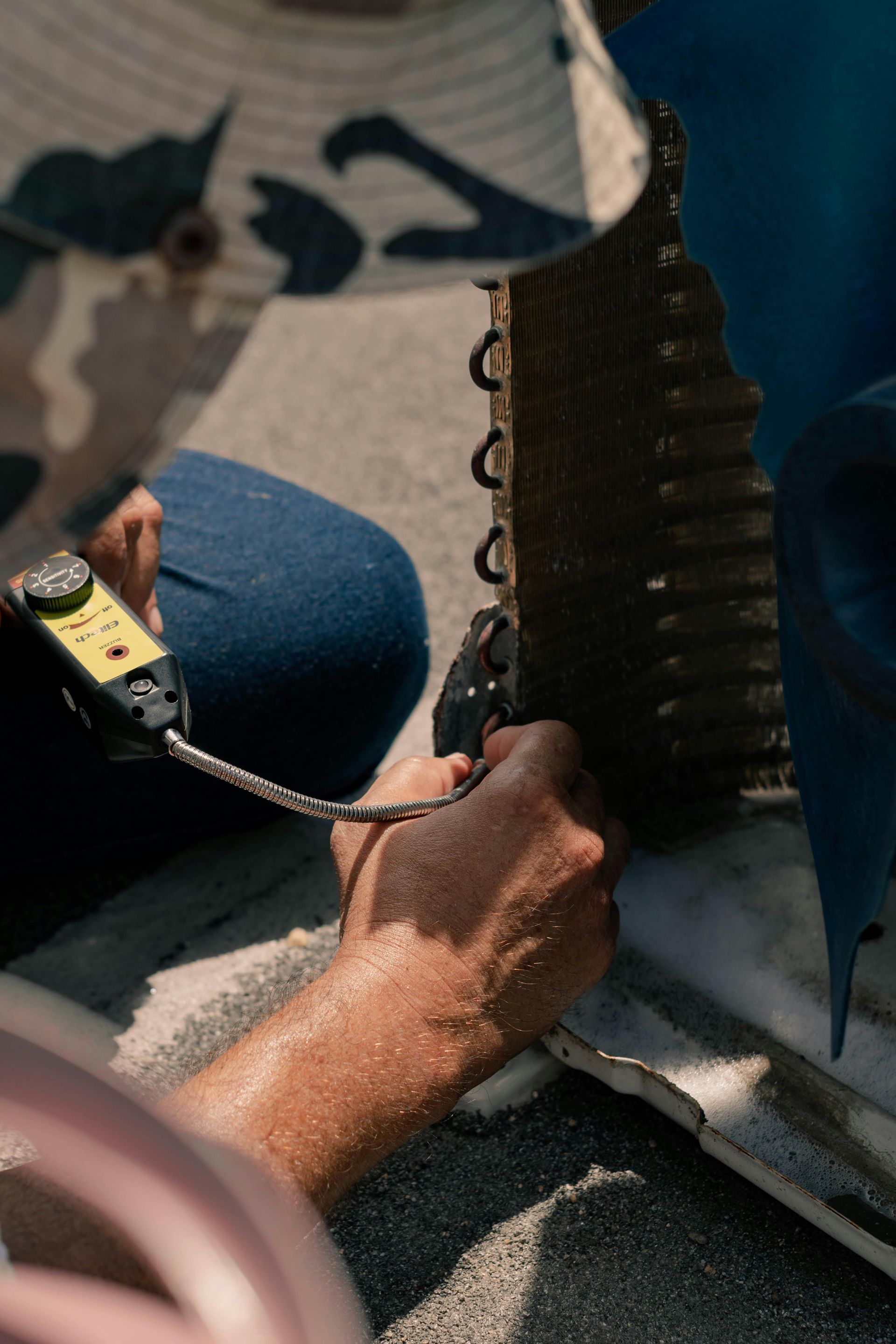
When your air conditioner runs constantly but fails to cool your home adequately, it can be incredibly frustrating, and refrigerant loss is often the underlying cause of this problem. This loss significantly reduces the system's ability to absorb heat from the indoor air and transfer it outside, leaving your living space uncomfortably warm. To address this critical issue, refrigerant leak detection and recharge services in McAllen are essential. These services involve not only locating hidden leaks that can exist in the coil, line set, or connections but also sealing the leak and restoring the refrigerant to the manufacturer-specified levels. At Freedom Air & Refrigeration, we utilize precision detection tools that allow us to identify leaks that aren't always visible to the naked eye. This proactive approach prevents the frustrating cycle of repeatedly adding refrigerant without ever addressing the actual source of the loss.
The leak detection process involves a thorough pressure testing of the entire refrigerant circuit, enabling us to accurately isolate the specific location where refrigerant is escaping. This could be due to various issues, such as corrosion in the evaporator coil, vibration damage in copper lines, or failed seals at connection points. Once we've successfully located and repaired the leak, the system undergoes a meticulous evacuation process to remove any air and moisture that may have entered. Following this, we recharge your system with the exact type and quantity of refrigerant specified for your air conditioner's model, ensuring optimal heat transfer and cooling efficiency is restored.
If you suspect that your air conditioning system is losing refrigerant and struggling to maintain comfortable temperatures, don’t hesitate to request a comprehensive leak detection evaluation. Our expert team will work diligently to identify any refrigerant loss and restore your system to its full cooling capacity, bringing comfort back to your home.
Why Proper Refrigerant Service Requires More Than Adding Refrigerant
Simply adding refrigerant without repairing the leak creates a temporary improvement that fades within weeks or months as the refrigerant escapes again, and repeated recharging without addressing the source causes compressor damage from operating with incorrect pressures. Advanced detection tools including electronic leak detectors and ultraviolet dye systems reveal leaks in areas that aren't accessible for visual inspection, such as inside the air handler or buried in exterior walls where line sets run between the indoor and outdoor units.
After the leak is sealed and the system is recharged, you'll notice the air coming from vents feels significantly colder, the system cycles off once it reaches the thermostat setting instead of running continuously, and humidity levels inside your home decrease as the evaporator coil operates at the correct temperature to condense moisture. These changes confirm that refrigerant levels match design specifications and heat transfer is occurring as the manufacturer intended.
Refrigerant service includes compliance with environmental standards governing refrigerant handling and disposal, verification that the system holds pressure without further leaks, and documentation of the refrigerant type and quantity added. This ensures the repair meets regulatory requirements and provides a baseline for future service if additional leaks develop as the system ages.
Common Questions About Refrigerant Issues
McAllen's combination of high heat and extended cooling seasons means air conditioners operate under sustained load for most of the year, accelerating wear on refrigerant lines and increasing the likelihood of leaks developing over time.
How can I tell if my system is low on refrigerant versus having a different problem?
Low refrigerant produces specific symptoms including ice formation on the refrigerant lines near the outdoor unit, warm air from supply vents despite the compressor running, and hissing sounds near the indoor coil if the leak is active and audible.
What causes refrigerant leaks in air conditioning systems?
Common causes include corrosion from moisture exposure in the evaporator coil, vibration fatigue in copper line sets that weren't properly secured during installation, and failed flare connections where sections of refrigerant line join together.
Why does the system need to be evacuated before recharging?
Evacuation removes air and moisture that entered the system after refrigerant escaped, preventing non-condensable gases from interfering with heat transfer and moisture from forming ice inside components or reacting with refrigerant to create acids that corrode metal surfaces.
How long does refrigerant last after a proper leak repair and recharge?
Once the leak is sealed and the system is recharged correctly, refrigerant remains in the closed loop indefinitely since air conditioners don't consume refrigerant during normal operation—it circulates continuously without being used up.
What determines whether a leaking coil should be repaired or replaced?
The location and size of the leak, the age of the coil, and the availability of replacement sections all affect this decision, with small accessible leaks often repairable through brazing, while extensive corrosion or leaks inside sealed areas typically require coil replacement.
Freedom Air & Refrigeration performs complete refrigerant leak detection and recharge services in McAllen using tools designed to locate leaks in concealed system areas and refrigerants that meet current environmental standards. Arrange a pressure test and system evaluation to determine whether refrigerant loss is affecting your cooling performance.